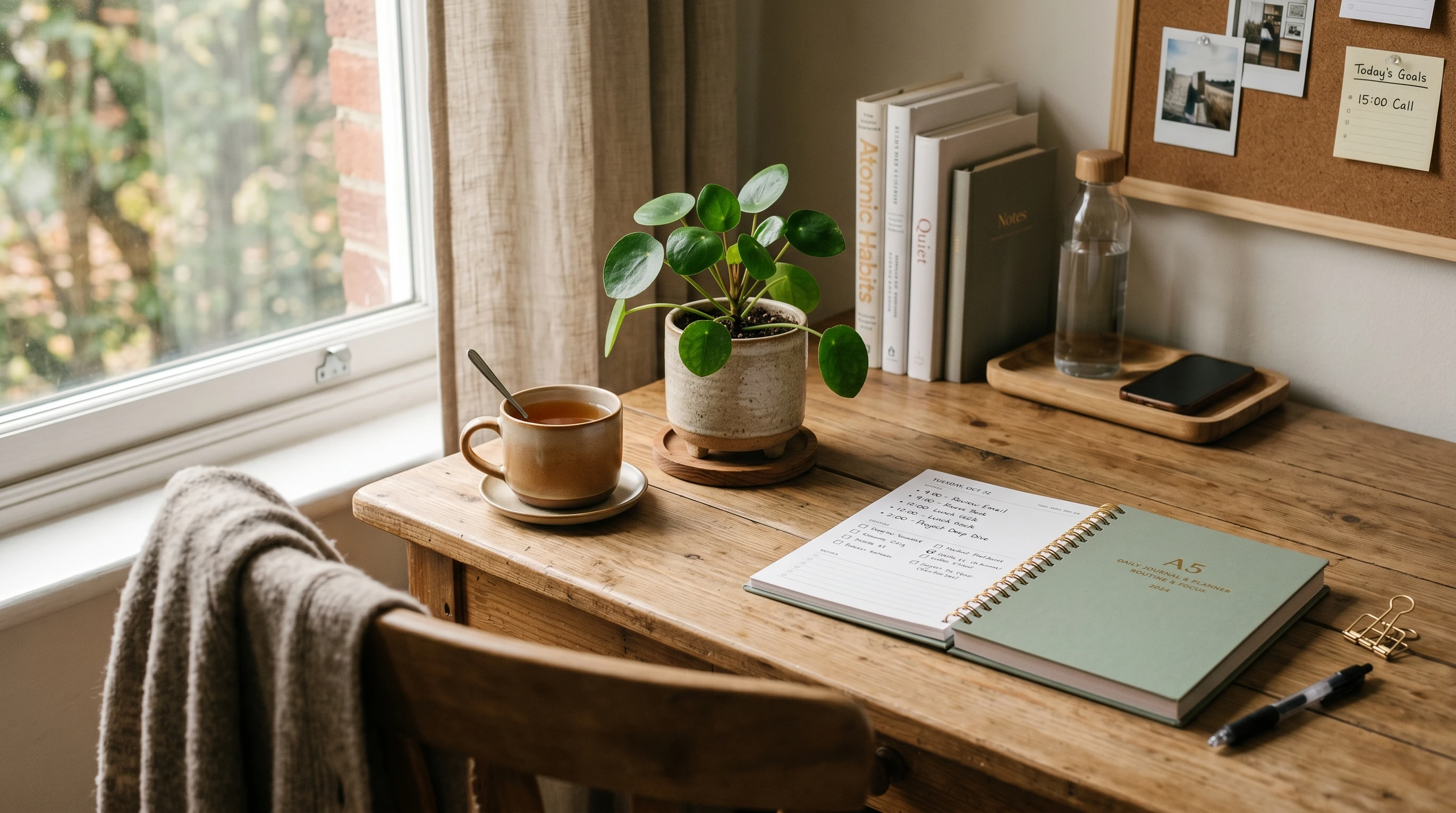
Building good habits does more than just make life smoother; it really encourages responsibility and keeps your day-to-day actions steady. I’ve found that lining up small behaviors with my own values makes a real difference, whether I’m trying to stick with a study plan, show up on time, or simply get through my to-do list without stress. Here’s a solid look at how forming habits can help you feel more in control and give a boost to consistency in everything you do.
How Habits Help Shape Consistent Results
Habits take the guesswork out of repeated decisions. Instead of thinking each morning about whether or not I should make my bed or check my planner, I just do it. That routine frees up my brain and saves energy for what really matters each day. It’s pretty handy, especially for tasks like budgeting or prepping meals, where slipping up can start to throw things off quickly.
- Automatic Actions: Relying on habits means you don’t have to constantly remind yourself what to do. This helps avoid skipping steps and keeps routines running smoothly.
- Measurable Progress: When you repeat the same good actions, it’s easier to spot where you’re making progress and where you might need some work.
- Less Decision Fatigue: Fewer choices mean less stress and more energy to put toward bigger goals.
An extra benefit of building strong habits is that it builds momentum over time. Once you establish a small routine, you often find yourself naturally adding more positive actions without feeling overwhelmed. This domino effect can help you boost other areas of life, from health and learning to relationships and work projects.
Why Habits Encourage Responsibility
When I set a habit, I’m basically making a deal with myself to do what I say I’m going to do. If I stick to a daily cleaning routine, for example, there’s less mess and a feeling that I’ve got things under control. That personal accountability can spill into every area of life, whether it’s work, time with friends or family, or handling stuff like bills and appointments.
- Building Self-Trust: Following through every day helps you trust yourself. That makes it easier to take on bigger responsibilities later because you know you can handle the small stuff.
- Creating Structure: Good habits make your schedule less chaotic and keep your priorities in order, which is especially valuable when life gets busy or unpredictable.
- Learning from Slip-Ups: Dropping a habit sometimes isn’t the end of the world. It actually gives you a chance to reset and build a system that fits better into your routine.
Over time, these small positive routines can help set you apart. Friends and coworkers often notice when you’re someone who shows up on time, meets commitments, and generally has their act together. Those are signs of reliability people respect and look for in a team or friendship.
How to Start Developing Good Habits
Getting started is often the hardest part. I like to keep things simple at the beginning. For example, if I want to read more, I start with five minutes a night. As it gets easier, I bump it up. Setting a reminder on my phone or pairing a new habit with something I already do, like brushing my teeth, is a handy way to stay on track.
- Start Small: Baby steps work. Focus on just one or two changes to avoid feeling swamped.
- Choose What Matters: Pick habits that fit with your values and your longterm goals, not just what other people say you should do.
- Track Your Wins: Using a habit tracker or calendar can keep motivation up and make progress clear to see.
- Tie Habits Together: Attaching a new routine to something you already do makes it easier to remember, like stretching right after you wake up or reviewing your goals before bed.
Aligning Good Habits With Core Values
It’s not just about sticking to a streak; it’s about making habits that actually fit who you want to be. If responsibility is a core value for you, then planning your day the night before, checking in with commitments, or keeping promises to friends are things that line up with that value. Doing these things regularly makes them part of how you show up, not just boxes to tick off. Creating habits that match your values helps life feel more meaningful and less like you’re just going through the motions.
You can always game plan new habits as your situation changes. Life doesn’t stay the same, and your routines can shift with your goals and values over time. Don’t be afraid to mix things up and find what actually works for the season you’re in right now.
Share Your Wins and Struggles
If you’ve found a habit that’s worked for you or hit a roadblock, sharing the story can help others. Drop your thoughts, tips, or questions below. Every bit of feedback or advice makes building new habits feel less lonely and way more doable for everyone. Whether you’ve spotted an easy trick or just want to ask for support, sharing moves everyone forward.